Incredibly eerie. Relief and sorrow are my feelings at the end, though the conclusion is barely a resolution in the sense one would hope for — only a kind of certainty that Mr Stevens’ regrets are not reparable and his repressed nature not entirely recoverable. Still there is some hope.
Klara and the Sun reads a bit — more than a bit — differently now. It ends with Josie’s abrupt, confusing, rather dismissive goodbyes to Klara: “I guess you may not be here when I get back. You’ve been just great, Klara. You really have.” I saw that as a disappointing and brutal absence of gratitude and recognition of the emotional connection. In fact, it was so abrupt that it nearly ruins the believability of the characters — though I suppose young people going off to college are often quick to depart and quick to forget those aspects of childhood that remain. At the time that read as sad or unsettling or hollow, as does the melancholy conclusion when Klara is retired and friendless, sitting in a field and watching re-runs of her memories. This jarring, unexpected, confusing final outcome for Klara — who might instead have been more greatly appreciated after saving Josie and continuing to live with her for years after — is less ambiguous in Remains. Perhaps, also, I am more acutely sympathetic because Mr Stevens is human.
Still the concluding sadness is alike between the two endings in its sense of injustice. Used up, exhausted, betrayed by his loyalty, at the least he begins to grapple with this and grieve, and finds some sort of hope in the prospect of the twilight of his life. In the final scene, Mr Stevens adopts the prospect of banter as both a professional duty and a source of warmth between people. I am unsure whether to take this as triumph or redemption, or a tragic limitation… perhaps it is both. His identity and philosophy so revolve around “dignity” and the persistence of his formal persona throughout both private and professional life, that the acceptance of such an idea as both a source of warmth and a professional practice, while a small change, constitutes a kind of over-turning or inflection in his entire approach to life; a warm chink in his armor, that seems to herald a promise, albeit late, of healing and renewal.
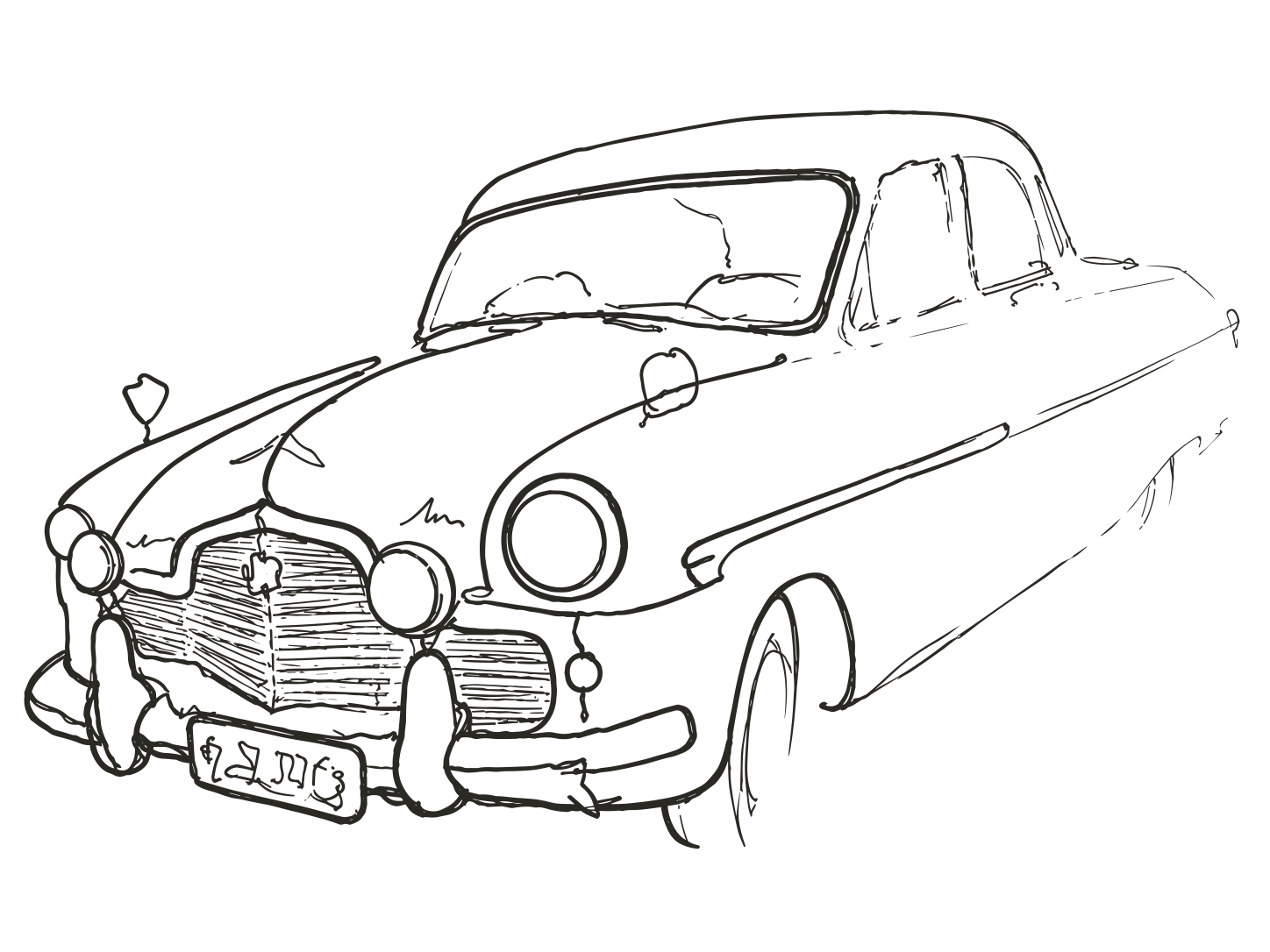
Still, the lateness and subtlety of this only enhance, by contrast, the second-hand grief at Mr Stevens’ lost time, and, more than that, the kind of peculiar psychological — and geographical — constraints under which he lived. It is a remarkable portrayal of what a culture can do to a person without overt violence. How terrible yet how useful to be reminded of with such clear and removed perspective — and to have re-created in such personal detail. It reminds me also of Piranesi, though I think far eerier and, curiously, more skillful (if less fantastical and wondrous), in that the author never needs some magic or coercion to distort the protagonist’s memory. If the villain in Piranesi is Ketterley / The Other, and his approach to discovery through coercion of Piranesi / Sorensen… the villain in Remains is surely Darlington, but also the idea of dignity and unquestioning loyalty that seemingly pervaded Mr Stevens’ world.
Mr Stevens, like Piranesi, introduces the reader to a sense of wonder at little things. In Piranesi, it is discovering and observing “the House.” In the case of Mr Stevens, it is the observing of the countryside, the joys of small hotels and local pubs and lights and sea breeze. I imagine myself better able to appreciate sights, spaces and experiences after reading the text. Mr Stevens’ demonstrated ability to cherish the small pleasures in the moment perhaps says something about his prospects ahead — that ability gives me more hope for him than anything else.
I do wonder, though, what is it about these characters — Ishiguro’s Klara and Mr Stevens — and Piranesi that makes them work? Specifically, how does the combination of suffering and sense of peace they each are able to — at different times and in different ways — convey feel so real? Why are they not at odds? Why does it seem like that capacity to notice or appreciate is so enhanced by their invisible anguish? Should I take it from the wholeness or completeness of these characters, that this kind of obliteration of the self can yield some new-found or profound enjoyment of small novelties? My implicit acceptance of the characters as realistic, or at least as consistent, suggests I already believe something to that effect. As I said, how eerie.
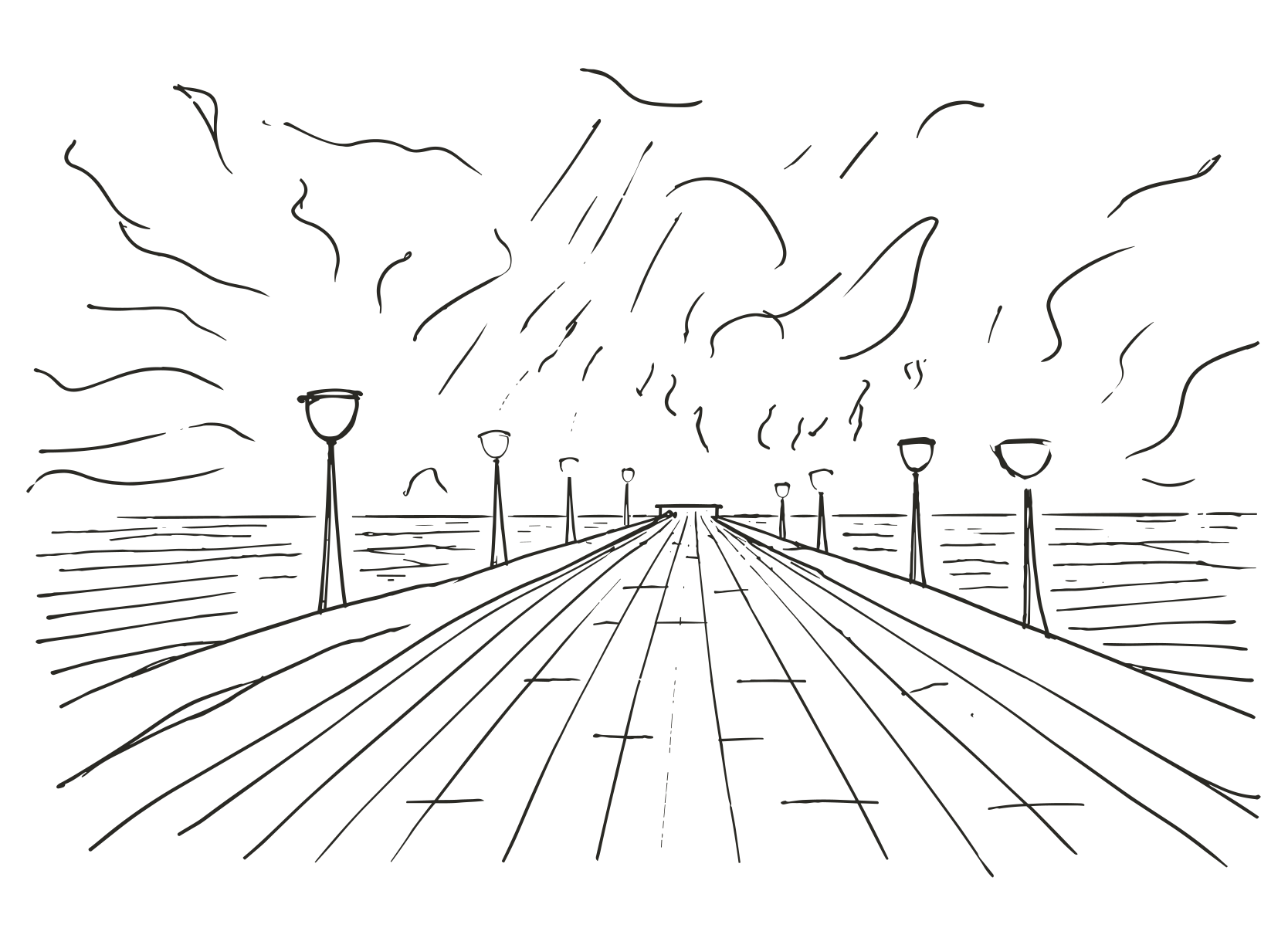
On process: written with pen just after finishing the novel, photographed and transcribed with AI, then manually edited. Illustrations drawn from reference images, cleaned up with GPT, and vectorized with vectorizer.ai.